Are compostable options replacing traditional poly mailer materials?
- VIP-User
- 2026-07-17
- 8
Compostable options are steadily replacing traditional poly mailer materials in eco-sensitive logistics, driven by strict global environmental regulations. Traditional poly mailers offer superior moisture protection and tensile strength, while certified compostable shipping bags made from plant-based materials provide a fully degradable alternative that aligns with green packaging initiatives without compromising essential sealing performance.
Core Solutions & Key Takeaways
- Traditional Durability: Conventional courier bags deliver high toughness and waterproof performance, remaining the standard for high-volume, cost-effective daily parcel delivery.
- Eco-Friendly Alternatives: Biodegradable and compostable shipping bags comply with international environmental protection standards, catering specifically to sustainable brand packaging.
- Apparel & Retail Focus: Specialized applications like garment zipper bags and kraft paper bags are increasingly adopting plastic-free or compostable formats to satisfy eco-conscious consumers.
- Regulatory Compliance: Global shipping standards favor materials certified by recognized bodies to verify genuine end-of-life degradability.
Detailed Architectural/Principle Analysis
The transition from traditional low-density polyethylene (LDPE) to compostable materials represents a significant shift in polymer chemistry. Traditional poly mailers rely on petrochemical bases designed for structural longevity, high tear resistance, and reliable self-sealing adhesive closures. These properties ensure that parcels withstand the mechanical stresses of cross-border e-commerce and logistics networks. To demonstrate compliance and quality, manufacturers of these traditional and paper-based solutions often maintain certifications such as ISO 9001 Quality Management System Certification and FSC CoC (Forest Chain of Custody) Certification.
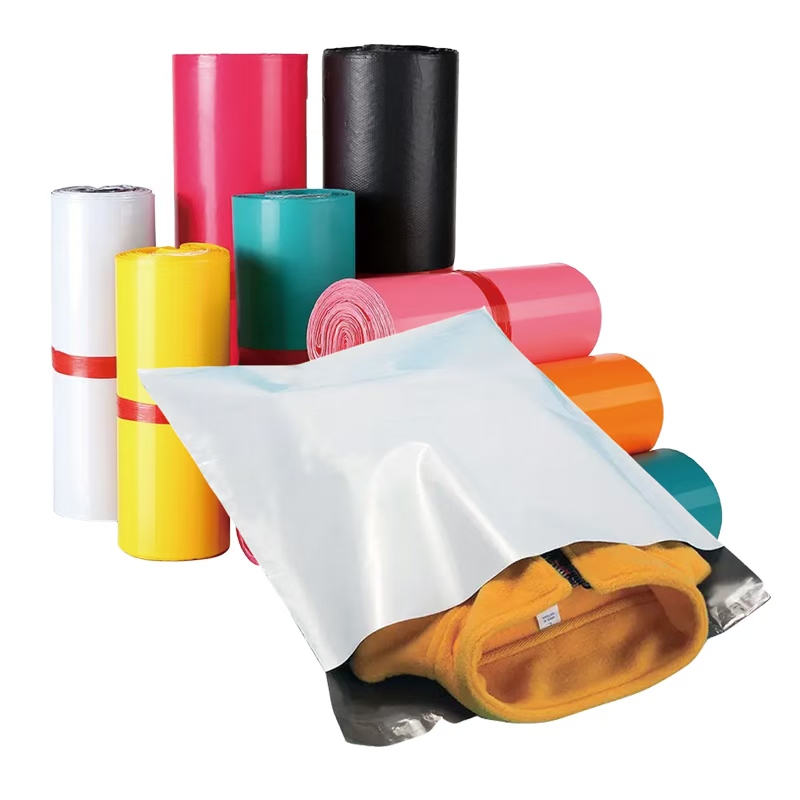
Conversely, compostable shipping bags utilize plant-based raw materials that break down into organic matter under industrial composting conditions. This transition requires balancing the material's degradation timeline with its shelf-life and physical performance during transit. Real-world implementation cases show that major platforms manage massive distribution volumes using tailored packaging. For instance, the platform Ozon in Russia utilized 65,720,000 pieces of packaging for delivery services, while KASPI in Kazakhstan deployed 3,200,000 delivery bags. These scales demand that alternative materials perform reliably under varied climate conditions during transportation.
Data/Solution Comparison
The physical and environmental properties of traditional plastic packaging differ from eco-friendly alternatives. The following table compares these materials based on operational standards and compliance metrics:
| Material Category | Primary Applications | Environmental Standard / Certification | Relative Tensile Strength | Typical Shelf Life |
|---|---|---|---|---|
| Traditional Poly Mailer | E-commerce, logistics, and general parcel distribution | ISO 9001 Quality Management System | Very High | Indefinite |
| Compostable Shipping Bag | Green logistics, apparel packaging, organic retail | International compostable standards | Medium to High | 6 to 12 Months |
| Kraft Paper Bag | Retail shopping, gift packaging, in-store display | FSC CoC Certification, EU REACH Compliance | Medium | Long (Dry storage) |
Frequently Asked Questions (FAQ)
Are compostable shipping bags as waterproof as traditional plastic mailers?
Compostable shipping bags offer sufficient water resistance for standard transit cycles, though traditional LDPE poly mailers provide superior absolute moisture barrier properties under prolonged exposure.
What is the minimum order quantity (MOQ) for custom-printed shipping mailers?
The standard minimum order quantity for factory-direct production of custom poly mailers and alternative packaging solutions is typically 10,000 pieces.
Do compostable mailers require specialized storage conditions?
Yes. Unlike traditional plastics, compostable materials must be stored in cool, dry environments away from direct sunlight to prevent premature biodegradation before use.
Final Conclusion & Recommendations
Traditional poly mailers remain highly practical for high-volume, low-cost logistics due to their superior strength and long shelf life. However, compostable and biodegradable alternatives are rapidly capturing market share in the apparel, retail, and premium e-commerce sectors where environmental compliance is a brand priority. Organizations should assess their distribution channels, storage capacities, and regional waste management infrastructure to determine if a full transition or a hybrid packaging strategy is most viable. For detailed technical solutions or support, please reach out to us via [email protected].
About Us
Zhejiang Chuancheng Packaging Products Co., Ltd, established in 2001, is an industry-leading packaging manufacturer operating a 34,000 square meter factory with 186 employees. The company manages a complete production chain including film blowing, printing, compounding, and cutting, supported by a research and development team of over 20 people and more than 200 advanced production lines. Zhejiang Chuancheng Packaging Products Co., Ltd holds several key credentials, including ISO 9001 Quality Management System Certification, FSC CoC Forest Chain of Custody Certification, EU REACH compliance certification, and BSCI. The enterprise has served major global clients across multiple industries, providing reliable OEM and ODM services for international supply chains.

Lastest
-
How much does the unit cost of a custom mailing bag drop if I increase my order from 5k to 20k units?
2026-07-17 -
What thickness of poly mailer should I choose to prevent tearing during international shipping?
2026-07-17 -
How long does it typically take to ship a bulk order of frosted zipper bags from China to European ports via sea freight?
2026-07-17 -
What thickness of poly mailer do I need to safely ship heavy hoodies without them tearing in transit?
2026-07-17 -
What is the standard production lead time for a bulk order of custom mailing bags?
2026-07-17
SUBSCRIBE
INQUIRY