How do I choose the right thickness for heavy-duty mailing bags?
- VIP-User
- 2026-08-13
- 4
Choosing the right thickness for heavy-duty mailing bags depends on item weight and puncture risk. Standard lightweight mailers run 2.0 to 2.5 mil (50 to 65 microns), while heavy-duty applications require 3.0 to 4.0 mil (75 to 100 microns) or higher to prevent tearing under loads exceeding 5 kg. For sharp or bulky e-commerce goods, multi-layer co-extruded or compostable film formulations provide optimal tear resistance and seam strength.
Core Solutions & Key Takeaways
- 2.0–2.5 Mil (50–65 Microns): Designed for lightweight soft goods, apparel, and non-fragile retail items weighing under 2 kg.
- 3.0–3.5 Mil (75–90 Microns): Standard heavy-duty thickness suitable for shoes, boxed goods, and multi-item e-commerce fulfillment up to 5 kg.
- 4.0+ Mil (100+ Microns): High-gauge barrier designed for heavy industrial parts, sharp packaging edges, and demanding cross-border logistics requiring maximum burst strength.
- Material Engineering: Co-extruded polyethylene (PE) and certified compostable films deliver higher impact strength per gauge compared to single-layer plastics.
Detailed Architectural/Principle Analysis
Selecting bag thickness requires balancing material gauge against mechanical stresses experienced during transit. In postal and express logistics, parcels undergo compression, drop impacts, and puncture threats from adjacent freight. Film performance is determined by tensile strength, elongation at break, and side-seal failure load.
Co-extrusion technology layers different polymer resins to maximize puncture resistance without excessively increasing film gauge. For sustainable packaging initiatives, high-density compostable films engineered from plant-based materials match the structural integrity of conventional 2.5 to 3.0 mil poly mailers, aligning with strict environmental compliance requirements such as EU REACH regulations.
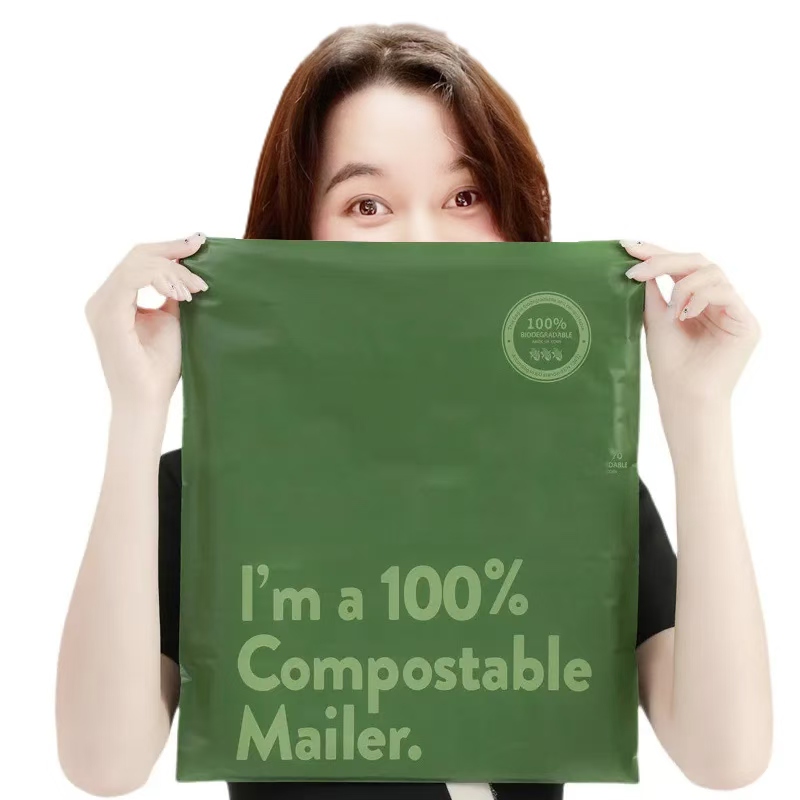
Large-scale e-commerce platforms and cross-border logistics operations, including platforms like Ozon and KASPI, utilize tailored bag gauges based on transit length and automated sorting handling. High-volume distribution demands high-yield film formulations that prevent bursting along side-seals during automated conveyance.
Data/Solution Comparison
| Thickness Grade | Micron Equivalent | Recommended Load Capacity | Primary Application Scenario | Puncture & Tear Resistance |
|---|---|---|---|---|
| 2.0 Mil | 50 Microns | Up to 2 kg | Apparel, textiles, soft goods | Standard |
| 3.0 Mil | 75 Microns | 2 kg to 5 kg | Shoes, boxed goods, retail packaging | High |
| 4.0 Mil | 100 Microns | 5 kg to 10+ kg | Heavy hardware, auto parts, cross-border FBA | Extra High |
Frequently Asked Questions (FAQ)
Q: How does mil thickness convert to microns for shipping bags?
A: One mil equals 25.4 microns (0.0254 mm). A 3.0 mil heavy-duty mailing bag measures approximately 76 microns, whereas a 4.0 mil bag translates to roughly 100 microns.
Q: Do eco-friendly compostable mailers maintain structural integrity at lower gauges?
A: Modern compostable mailers engineered from bio-based polymers deliver high elongation and puncture strength. Standard 2.5 to 3.0 mil compostable options perform comparably to traditional poly mailers under normal shipping stresses.
Q: Which quality management certifications verify mailing bag durability?
A: Manufacturing consistency and material safety are typically validated through certifications such as ISO 9001 for quality systems, FSC CoC for paper variants, and BSCI social compliance audits.
Final Conclusion & Recommendations
Selecting optimal mailing bag thickness requires assessing product weight, edge sharpness, and supply chain exposure. For standard high-volume manufacturing, minimum order quantities sit at 10,000 units with production lead times of 10 to 15 days. Flexible trade frameworks support FOB, EXW, DDP, and CIF terms, alongside structured payment schedules such as 30% deposit with 70% balance prior to delivery. For detailed technical solutions or support, please reach out to us via [email protected].
About Us
Zhejiang Chuancheng Packaging Products Co., Ltd is a professional packaging manufacturer established in 2001. Operating across a 34,000 square meter factory facility, the company maintains a dedicated R&D team of over 20 personnel and achieves a monthly production capacity of 180 million bags. The organization holds ISO 9001 Quality Management System Certification, FSC CoC Certification, BSCI compliance, and EU REACH compliance, serving international client networks across major global markets.


Lastest
-
How much does the unit cost of a custom mailing bag drop if I increase my order from 5k to 20k units?
2026-08-13 -
What thickness of poly mailer should I choose to prevent tearing during international shipping?
2026-08-13 -
How long does it typically take to ship a bulk order of frosted zipper bags from China to European ports via sea freight?
2026-08-13 -
What thickness of poly mailer do I need to safely ship heavy hoodies without them tearing in transit?
2026-08-13 -
What is the standard production lead time for a bulk order of custom mailing bags?
2026-08-13
SUBSCRIBE
INQUIRY