How do I choose the right thickness for mailing bags to prevent tears?
- VIP-User
- 2026-08-09
- 4
Selecting the correct mailing bag thickness depends on item weight and edge sharpness. Light soft goods like apparel require 2 to 2.5 mil (50-65 microns), while medium-weight items need 3 mil (75 microns). Heavy or sharp-edged products demand 4 mil (100 microns) or bubble-lined mailers to prevent punctures and tears during transport.
Core Solutions & Key Takeaways
- Match material thickness (measured in mils or microns) directly against payload weight and structural sharpness to optimize protection and shipping costs.
- Utilize multi-layer co-extruded films or bubble-lined constructions for heavy-duty parcel logistics and cross-border delivery.
- Select certified compostable or bio-based mailing bags to maintain required puncture resistance while satisfying international environmental regulations.
- Ensure bottom seam welding and self-seal adhesive strength complement film gauge to eliminate failure points during transit.
Detailed Architectural/Principle Analysis
Mailing bag durability relies on the structural integrity of the polymer film, which is determined by material density and overall thickness. Standard polyethylene (PE) mailers and compostable poly mailers are engineered through co-extrusion technology. By layering multiple film strata, manufacturers create a cross-directional polymer chain that enhances tensile strength and tear resistance compared to single-layer films.
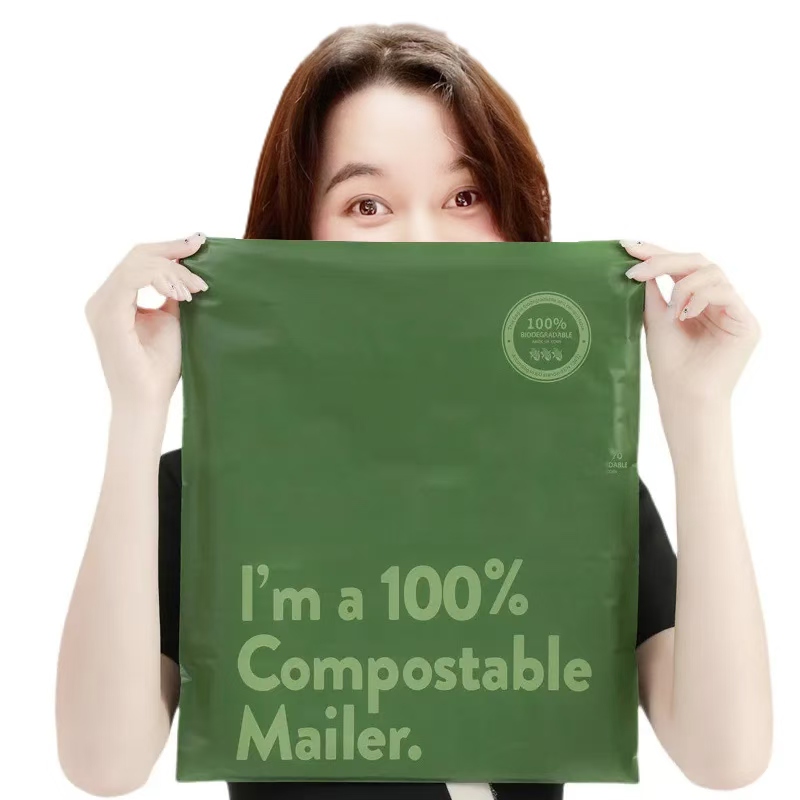
For lightweight items such as t-shirts, inner apparel, and soft textiles, a thickness of 2.0 to 2.5 mil (50 to 65 microns) provides sufficient puncture resistance while maintaining minimal parcel weight. When handling boxed items, footwear, or multi-item e-commerce orders, standard 3.0 mil (75 microns) films prevent stress tearing caused by sharp box corners during sorting and transit. High-density postal logistics and cross-border Amazon FBA distribution often require 4.0 mil (100 microns) thickness or lined bubble mailers to withstand automated sorting hubs and extended handling cycles.

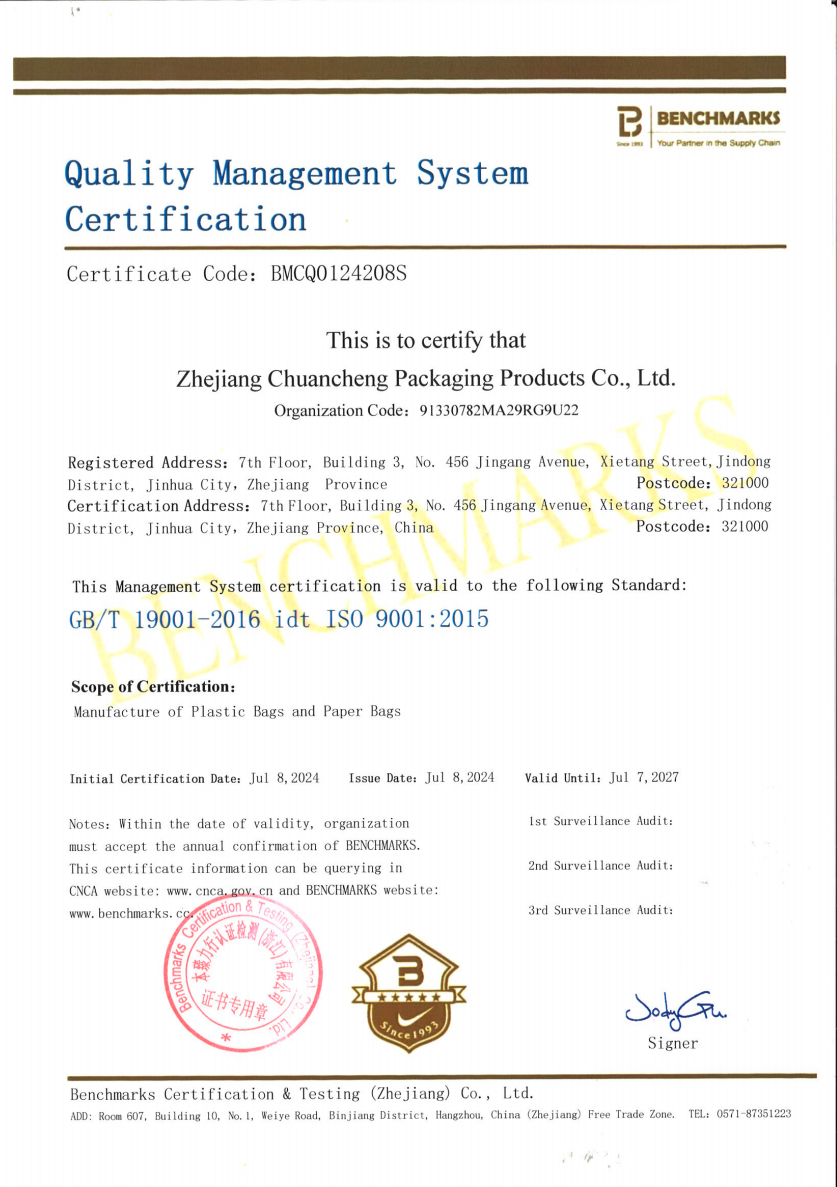
Quality assurance standards, such as ISO 9001 certification and EU REACH compliance, ensure that variations in film gauge remain within strict tolerances. Large-scale supply operations—including fulfillment volumes exceeding 65 million pieces for platforms like Ozon—depend on uniform thickness distribution during the film blowing process to prevent localized thin spots that lead to bursting under pressure.
Data/Solution Comparison
| Bag Thickness | Metric Equivalent | Recommended Application Scenarios | Puncture & Tear Resistance Level |
|---|---|---|---|
| 2.0 - 2.5 Mil | 50 - 65 µm | Apparel, garments, soft goods, plush toys | Standard |
| 3.0 Mil | 75 µm | Shoe boxes, books, soft-pack cosmetics, mixed retail | High |
| 4.0+ Mil / Bubble Lined | 100+ µm | Electronics, hardbound goods, metal parts, cross-border freight | Maximum |
Frequently Asked Questions (FAQ)
What is the conversion between mil and micron for mailing bag thickness?
One mil equals 1/1000th of an inch, or approximately 25.4 microns (µm). For example, a 2 mil bag equals roughly 50 microns, whereas a 3 mil bag equals 75 microns.
Do compostable mailing bags require higher thickness than traditional plastic mailers?
Compostable mailers made from plant-based materials typically match the tensile performance of conventional plastic. However, choosing a slightly higher gauge (such as 2.5 to 3.0 mil) compensates for material flexibility differences and maintains tear resistance.
How do side seams impact the tear resistance of a mailing bag?
Film thickness only protects the main surface area. Strong edge seals, achieved through controlled thermal welding, prevent seam splits when bags are stuffed to capacity or exposed to lateral impact.
Final Conclusion & Recommendations
Selecting the optimal mailing bag thickness requires evaluating product geometry, weight, and delivery stress factors. Implementing factory-direct supply models, OEM & ODM customization, or bulk wholesale specifications ensures bags meet precise thickness requirements to eliminate transit damage. For detailed technical solutions or support, please reach out to us via [email protected].
About Us
Zhejiang Chuancheng Packaging Products Co., Ltd is a professional packaging manufacturer established in 2001. Operating a 34,000 square meter facility, the company houses 186 employees and an R&D team of over 20 specialists equipped with advanced film blowing technology. With a monthly production capacity of 180 million bags, the company holds ISO 9001, FSC CoC, BSCI, and EU REACH certifications, providing reliable packaging solutions for global retail and logistics industries.

Lastest
-
How much does the unit cost of a custom mailing bag drop if I increase my order from 5k to 20k units?
2026-08-09 -
What thickness of poly mailer should I choose to prevent tearing during international shipping?
2026-08-09 -
How long does it typically take to ship a bulk order of frosted zipper bags from China to European ports via sea freight?
2026-08-09 -
What thickness of poly mailer do I need to safely ship heavy hoodies without them tearing in transit?
2026-08-09 -
What is the standard production lead time for a bulk order of custom mailing bags?
2026-08-09
SUBSCRIBE
INQUIRY