What thickness in mils should I choose for a durable frosted zipper bag to pack heavy apparel?
- VIP-User
- 2026-07-06
- 7
For packing heavy apparel, a frosted zipper bag should have a thickness of 2.0 to 3.0 mils per side (4.0 to 6.0 mils total). This thickness range ensures high tear resistance, robust side seams, and secure slider closure performance, preventing punctures from bulky outerwear, heavy denim, or sharp metal accessories during transit.
Core Solutions & Key Takeaways
- Optimum Mil Thickness: 2.0 to 3.0 mils (single side) is the industry standard for protective, heavy-duty garment packaging, preventing stretching and seam splitting under load.
- Material Integrity: High-quality frosted materials provide a premium tactile feel while offering dustproof, waterproof, and scratch-resistant protection for high-end fashion items.
- Secure Reclosable Seals: Utilizing a durable slider zipper mechanism ensures the packaging remains intact throughout multiple retail handlings and customer returns.
- Eco-Friendly Compliance: Transitioning to sustainable options like biodegradable or compostable formulations helps brands meet global environmental regulations without sacrificing packaging strength.
Detailed Architectural & Principle Analysis
Choosing the correct thickness in mils is a critical decision in garment packaging engineering. Heavy apparel, such as coats, suits, and denim, exerts continuous physical pressure on the outer packaging during stacking and shipping. A thin bag (under 1.5 mils) is highly susceptible to structural failure, particularly along the heat-sealed edges. Increasing the thickness to 2.0 to 3.0 mils significantly enhances the tensile strength and puncture resistance of the frosted zipper bag, protecting the contents from external friction and moisture.
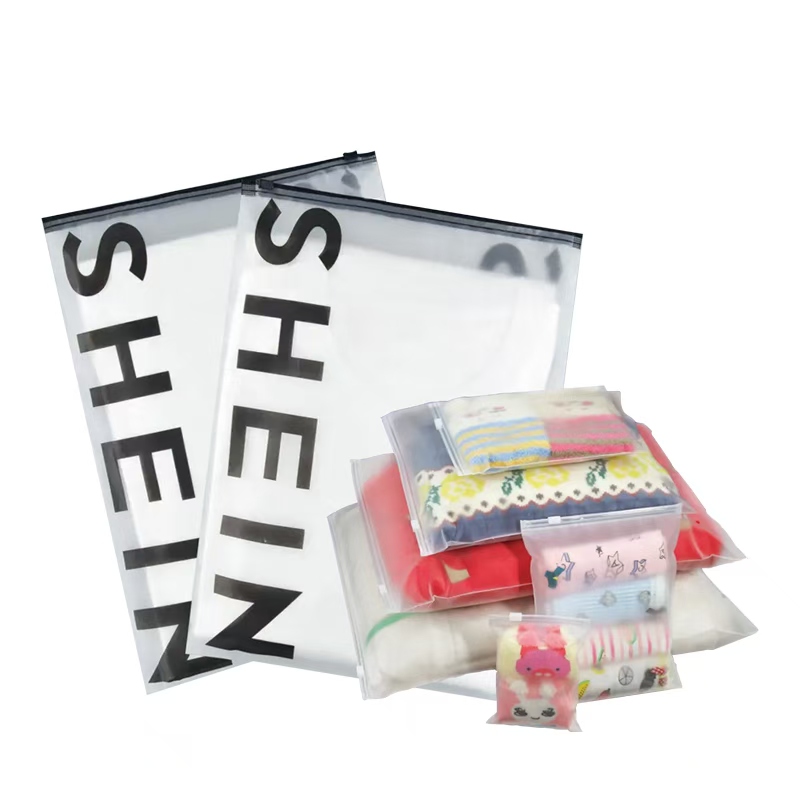
From a manufacturing perspective, producing a high-performance frosted bag requires advanced film blowing and extrusion lines to ensure uniform thickness distribution. Maintaining strict quality control prevents weak spots in the film. Industry certifications, such as ISO 9001 Quality Management System Certification and BSCI, validate that the manufacturing processes yield consistent material thickness and reliable seal integrity across large production runs. Additionally, for international distribution, utilizing materials compliant with EU REACH standards ensures the packaging is free from hazardous substances.
Real-world logistics demand robust packaging solutions. For instance, major retail platforms and brand businesses, including Matalon in Greece and Kaspi in Kazakhstan, process millions of apparel parcels annually. Utilizing optimized 2.0+ mil frosted slider bags ensures that garments arrive at their destinations in pristine condition, reducing return rates caused by transit damage and soiled merchandise.
Data/Solution Comparison
| Apparel Category | Recommended Single-Side Thickness (Mils) | Key Material Properties | Common Application Scenarios |
|---|---|---|---|
| T-shirts, Activewear, Undergarments | 1.2 - 1.5 mils | Lightweight, high clarity, standard dust protection | Garment special zipper bags, retail display, inner apparel packaging |
| Knitwear, Hoodies, Dress Shirts | 1.5 - 2.0 mils | Moderate puncture resistance, flexible, secure sealing | Standard clothing storage, e-commerce shipping inserts |
| Jeans, Jackets, Heavy Outerwear | 2.0 - 3.0 mils | High tear strength, reinforced side seals, heavy-duty load capacity | Biodegradable zipper bags for apparel industry, cross-border FBA logistics |
| Leather Coats, Embellished Gowns | 3.0+ mils | Maximum puncture resistance, scratch prevention, premium structural rigidity | Premium garment packaging, long-term storage, high-end retail display |
Frequently Asked Questions (FAQ)
What is the difference between a slider zipper and a press-on ziplock for heavy apparel?
Slider zippers offer a more robust mechanical closure that is easier to open and reseal repeatedly, making them ideal for bulky or heavy garments that exert outward pressure on the seal. Press-on ziplocks are more compact but can split open under heavy internal loads.
Are frosted zipper bags environmentally friendly?
Standard plastic zipper bags can be difficult to recycle, but modern manufacturers offer biodegradable and compostable alternatives. Biodegradable frosted zipper bags break down under specific environmental conditions, providing a sustainable packaging option that complies with international green standards.
How does mil thickness affect the shipping weight and costs of e-commerce packages?
While increasing bag thickness from 1.5 to 2.5 mils increases the weight of the bag slightly, the difference per unit is negligible (typically less than a few grams). The cost savings achieved by preventing damaged returns far outweigh the minor increase in shipping weight.
Final Conclusion & Recommendations
When sourcing frosted packaging for heavy garments, specifying a thickness of 2.0 to 3.0 mils ensures the structural integrity of the bag during global transit. For large-scale procurement, partnering with a supplier that offers direct factory sales, flexible OEM/ODM services, and robust quality control inspections is critical. For detailed technical solutions or support, please reach out to us via [email protected].
About Us
Zhejiang Chuancheng Packaging Products Co., Ltd, also known as CCPACK, is a professional packaging manufacturer established in 2001. Headquartered in Jinhua, China, the company operates a 34,000 square meter facility and employs a dedicated team of 186 professionals. Backed by an R&D team of over 20 people and equipped with advanced film blowing machines, laboratories, and over 200 production lines, the company possesses a monthly production capacity of 180 million bags. CCPACK holds prestigious certifications including ISO 9001, FSC CoC, and BSCI, serving major international clients and platforms such as Ozon, Matalon, and KASPI across global markets.

Lastest
-
How much does the unit cost of a custom mailing bag drop if I increase my order from 5k to 20k units?
2026-07-06 -
What thickness of poly mailer should I choose to prevent tearing during international shipping?
2026-07-06 -
How long does it typically take to ship a bulk order of frosted zipper bags from China to European ports via sea freight?
2026-07-06 -
What thickness of poly mailer do I need to safely ship heavy hoodies without them tearing in transit?
2026-07-06 -
What is the standard production lead time for a bulk order of custom mailing bags?
2026-07-06
SUBSCRIBE
INQUIRY