
What thickness of poly mailer do I need to safely ship heavy winter clothing?
- VIP-User
- 2026-08-10
- 5
Shipping heavy winter clothing like coats, wool jackets, and parkas safely requires a poly mailer thickness of 3.0 mil (75 microns) to 4.0 mil (100 microns). Standard 2.0 mil mailers risk tearing under bulky weights, whereas heavy-duty 3.0+ mil co-extruded polyethylene mailers provide maximum puncture resistance, tear strength, and seam integrity during transit.
Core Solutions & Key Takeaways
- Thickness Range: Select 3.0 mil (75 microns) for standard winter outerwear and 4.0 mil (100 microns) for heavy leather coats, bulky parkas, or multi-item garment orders exceeding 4 lbs (1.8 kg).
- Material Structure: Co-extruded multi-layer polyethylene film provides high tensile strength, puncture resistance, and complete opacity for secure transit.
- Seam & Closure Integrity: Heavy apparel exerts internal pressure against bag side seals; permanent hot-melt adhesive strips prevent accidental bursting during automated sorting.
- Industry Compliance: Quality-assured packaging verified under ISO 9001 and BSCI standards protects apparel across e-commerce logistics, cross-border FBA fulfillment, and retail distribution channels.
Detailed Architectural & Material Analysis
Heavy winter garments present specific logistical challenges due to bulk, weight, and compressed pressure. Standard apparel mailers rated at 2.0 mil (50 microns) perform reliably for lightweight items like T-shirts or single dresses. However, shipping heavy wool coats, down parkas, or heavy denim jackets causes concentrated stress along the side seals and bottom folds of standard packaging.
To withstand long-distance shipping and automated sorting conveyor systems, heavy winter clothing requires co-extruded polyethylene film engineered at 3.0 mil to 4.0 mil thickness. Co-extrusion merges multiple layers of polyethylene resin during the film blowing process, generating higher puncture resistance and tear propagation strength than single-layer film. This structural resilience prevents tears caused by metal zippers, heavy buttons, or rough handling.
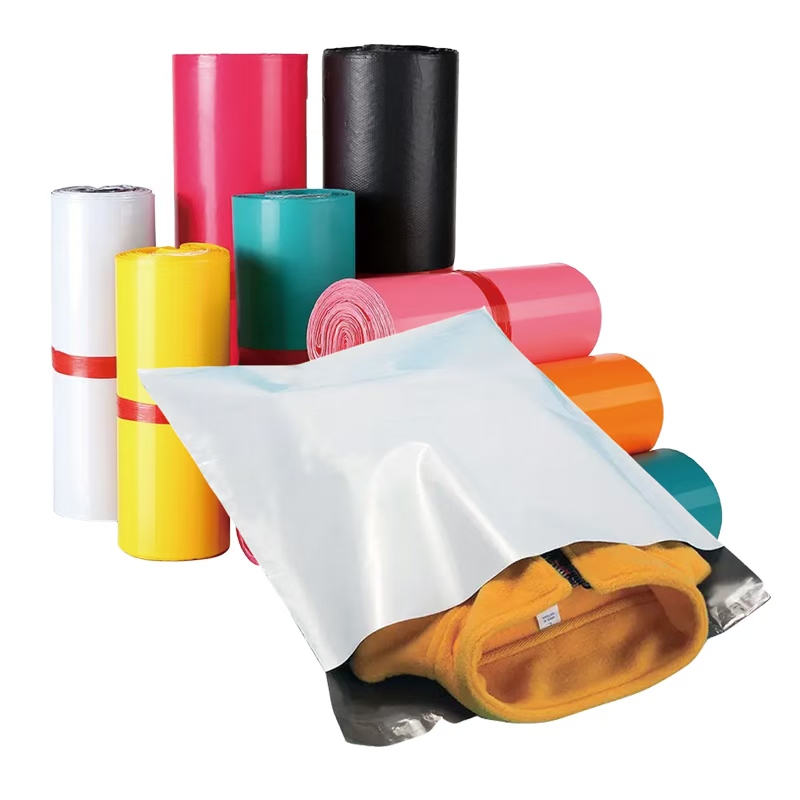
High-volume e-commerce platforms and cross-border logistics operators rely heavily on optimized poly mailer specifications. Major platforms like Ozon and KASPI utilize millions of co-extruded mailing bags to protect apparel through complex international supply chains. Ensuring proper mil thickness prevents bag failure, reduces return rates due to damaged goods, and maintains brand image upon delivery.

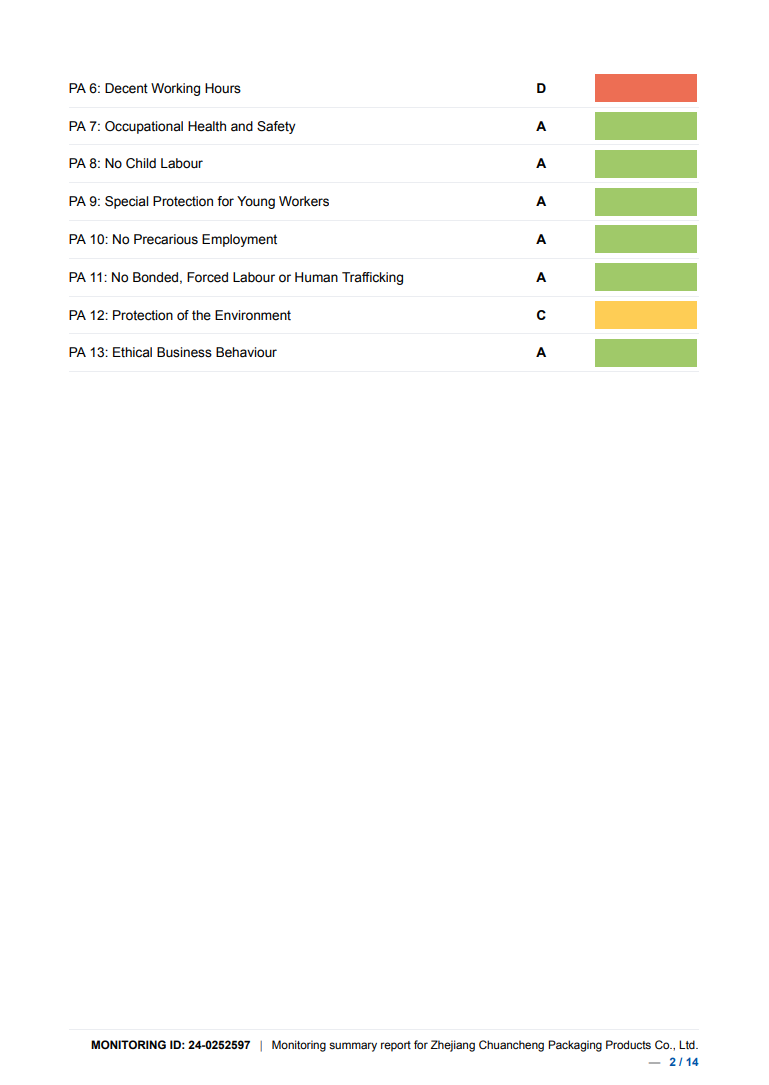
Manufacturing high-gauge mailers involves precise control over film thickness, seal temperature, and resin formulation. Advanced production facilities maintain certified laboratories and automated film blowing machinery to verify tensile performance and seal adhesion. Adherence to international standards such as ISO 9001, BSCI, EU REACH, and FSC CoC ensures that heavy-duty mailing bags meet rigorous physical and environmental requirements.
Data & Solution Comparison
The following table outlines poly mailer thickness specifications based on garment weight, item category, and structural requirements:
| Film Thickness | Metric Gauge | Recommended Clothing Items | Garment Weight Range | Puncture & Tear Resistance |
|---|---|---|---|---|
| 2.0 Mil | 50 Microns | T-shirts, shirts, light dresses, activewear | Under 2 lbs (0.9 kg) | Standard |
| 2.5 Mil | 63.5 Microns | Hoodies, light sweaters, jeans, trousers | 2 - 4 lbs (0.9 - 1.8 kg) | Moderate |
| 3.0 Mil | 75 Microns | Heavy sweaters, wool coats, ski jackets | 4 - 8 lbs (1.8 - 3.6 kg) | Superior |
| 4.0 Mil | 100 Microns | Heavy parkas, leather jackets, multi-coat orders | Over 8 lbs (3.6 kg) | Maximum Heavy-Duty |
Frequently Asked Questions (FAQ)
Why are standard 2.0 mil poly mailers insufficient for heavy winter coats?
Standard 2.0 mil mailers lack the tensile strength to absorb sharp directional stress exerted by heavy garments during drop tests and automated sorting. The concentrated weight of heavy coats can rupture 2.0 mil side seals or puncture the film when snagged by zippers or hardware.
Do heavy winter coats require bubble mailers instead of standard poly mailers?
Non-fragile textile goods like winter coats do not require protective bubble lining for impact dampening. A non-padded 3.0 mil or 4.0 mil co-extruded poly mailer offers higher tear resistance at lower dimensional weight, reducing volumetric freight charges compared to padded bubble mailers.
What closure mechanism ensures heavy garment mailers stay closed?
Poly mailers designed for heavy outerwear require a tamper-evident permanent hot-melt adhesive strip. Once folded shut, the adhesive forms a destruction bond with the polyethylene film, ensuring the bag remains sealed even when packed under high internal garment compression.
Final Conclusion & Recommendations
Selecting the appropriate poly mailer gauge is vital for safe heavy winter apparel delivery. Upgrading from standard 2.0 mil film to 3.0 mil or 4.0 mil co-extruded poly mailers provides the necessary tear resistance and seam strength to handle bulky outerwear across cross-border fulfillment networks. Flexible supply arrangements through Factory Direct Sales, OEM & ODM Services, and Bulk Wholesale Supply offer customized sizing and thickness options with standard minimum order quantities of 10,000 PCS and 10 to 15 days production turnaround under flexible trade terms including DDP, FOB, CIF, and EXW. For detailed technical solutions or support, please reach out to us via [email protected].
About Us
Zhejiang Chuancheng Packaging Products Co., Ltd (CCPACK) was established in 2001 and operates a 34,000 square meter factory facility in Yiwu City, Zhejiang Province, China. Supported by an 186-employee workforce and an R&D team of over 20 personnel equipped with advanced film blowing machinery and laboratories, the company delivers a production capacity of 180 million bags monthly. CCPACK holds ISO 9001, BSCI, FSC CoC, and EU REACH compliance certifications, serving global e-commerce, logistics, and garment enterprise clients across North America, Europe, Southeast Asia, and Russia.

Lastest
-
How much does the unit cost of a custom mailing bag drop if I increase my order from 5k to 20k units?
2026-08-10 -
What thickness of poly mailer should I choose to prevent tearing during international shipping?
2026-08-10 -
How long does it typically take to ship a bulk order of frosted zipper bags from China to European ports via sea freight?
2026-08-10 -
What thickness of poly mailer do I need to safely ship heavy hoodies without them tearing in transit?
2026-08-10 -
What is the standard production lead time for a bulk order of custom mailing bags?
2026-08-10
SUBSCRIBE
INQUIRY